December 22, 2025
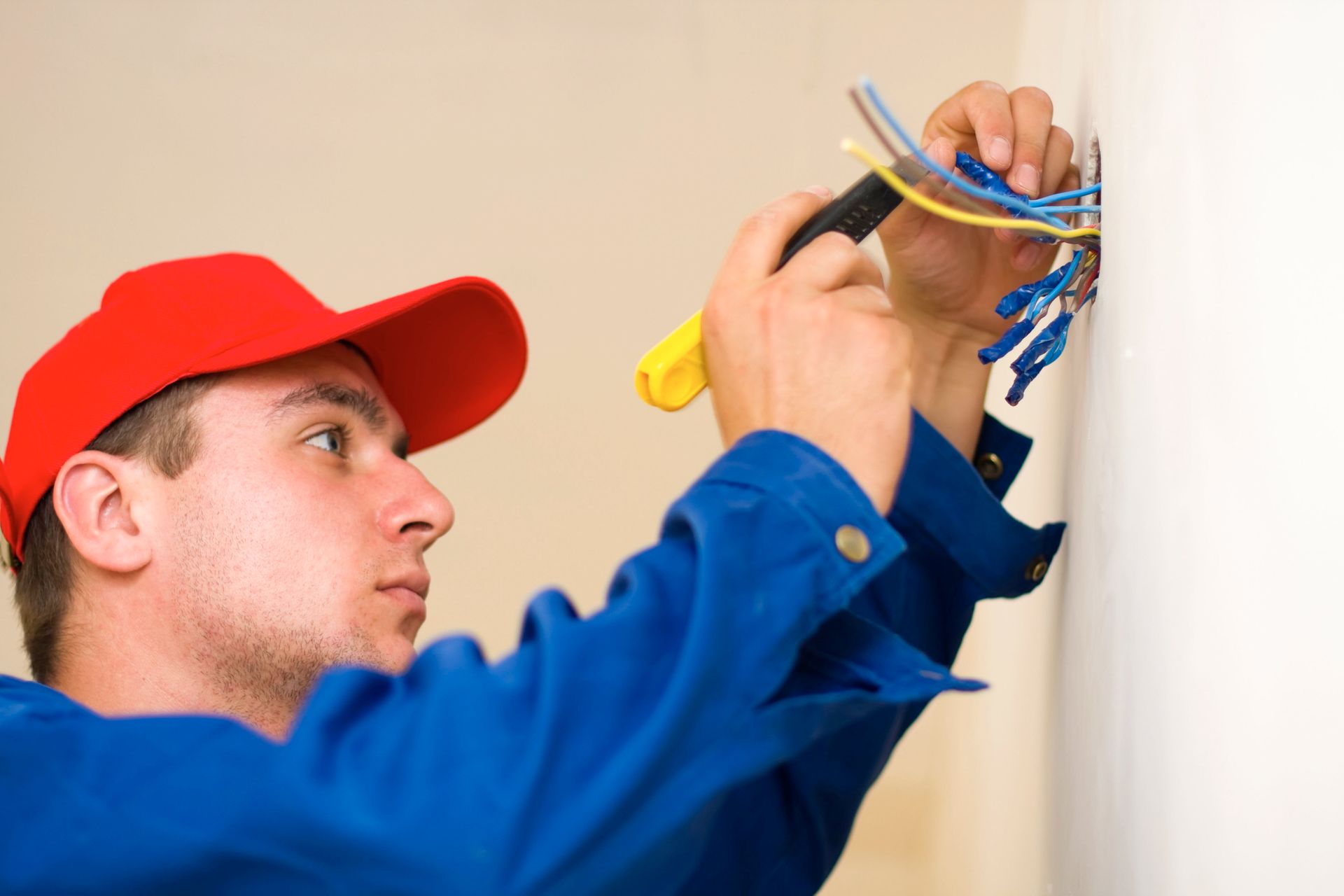
The demand for energy-efficient solutions in modern homes is growing rapidly as homeowners look for practical ways to reduce energy use without sacrificing comfort. Environmental awareness, rising electricity costs, and continued advances in technology all contribute to this shift. Reducing unnecessary power consumption helps limit environmental impact while also improving long-term household budgets. Many homeowners begin this process by consulting a local residential electrician to better understand how their existing electrical systems can support meaningful efficiency upgrades.
1. The Importance of Energy Efficiency in Modern Homes
Energy efficiency has become a core expectation in today's residential construction and renovation projects. Modern homes rely on a growing number of electronic devices, appliances, and comfort systems, all of which increase electricity demand. According to Reuters, the EIA projected power demand will rise to 4,189 billion kilowatt hours in 2025 and 4,278 billion kWh in 2026. Efficient electrical design helps manage this demand responsibly while maintaining reliability and safety. A local residential electrician can assess whether a home's wiring, electrical panel, and circuits are properly equipped to handle modern efficiency technologies. These evaluations often reveal opportunities for improvement that homeowners may not initially recognize.
2. Environmental Benefits of Reduced Energy Use
Lower energy consumption directly supports environmental sustainability by reducing greenhouse gas emissions linked to electricity production. Power plants that burn fossil fuels generate significant emissions, and reducing residential demand helps limit this impact. Energy-efficient homes contribute to a broader collective effort to slow climate change. Even modest reductions in household electricity use can produce long-term environmental benefits when adopted widely. These changes help preserve natural resources while promoting cleaner air and healthier communities.
3. Financial Advantages Over Time
Energy efficiency offers homeowners clear economic advantages that extend well beyond monthly utility savings. While some upgrades require upfront investment, the reduction in energy costs often offsets these expenses over time. Consistent savings improve household financial flexibility and reduce vulnerability to rising energy prices. Efficient homes also experience fewer system failures, lowering maintenance and repair costs. Over the life of a home, these financial benefits can be substantial.
4. Incentives, Regulations, and Property Value
Government policies increasingly support residential energy efficiency through rebates, tax credits, and incentive programs. These initiatives make upgrades more affordable and encourage responsible energy use. In addition, homes with documented efficiency improvements often enjoy higher resale values. Buyers are more aware of long-term operating costs and frequently prioritize properties with modern, efficient electrical systems. Energy efficiency has become a marketable feature rather than an optional upgrade.
5. Lighting Improvements and Electrical Efficiency
Lighting is one of the most accessible areas for improving household energy efficiency. LED fixtures consume significantly less electricity and last much longer than traditional lighting options. Smart lighting controls, dimmers, and motion sensors further reduce waste by ensuring lights are used only when needed. A local residential electrician can confirm that switches, fixtures, and control systems are installed correctly and function safely. Proper installation maximizes energy savings while preventing electrical issues.
6. Heating and Cooling System Coordination
Heating and cooling systems represent a significant portion of residential energy consumption. Technologies such as smart thermostats, zoned temperature control, and high-efficiency heat pumps allow homes to maintain comfort with less wasted energy. These systems respond to daily routines and seasonal changes more effectively than traditional equipment. When combined with insulation and weather sealing, they reduce strain on electrical systems. Coordinated system design helps ensure consistent performance and lower energy demand.
7. Energy-Efficient Appliances in Daily Living
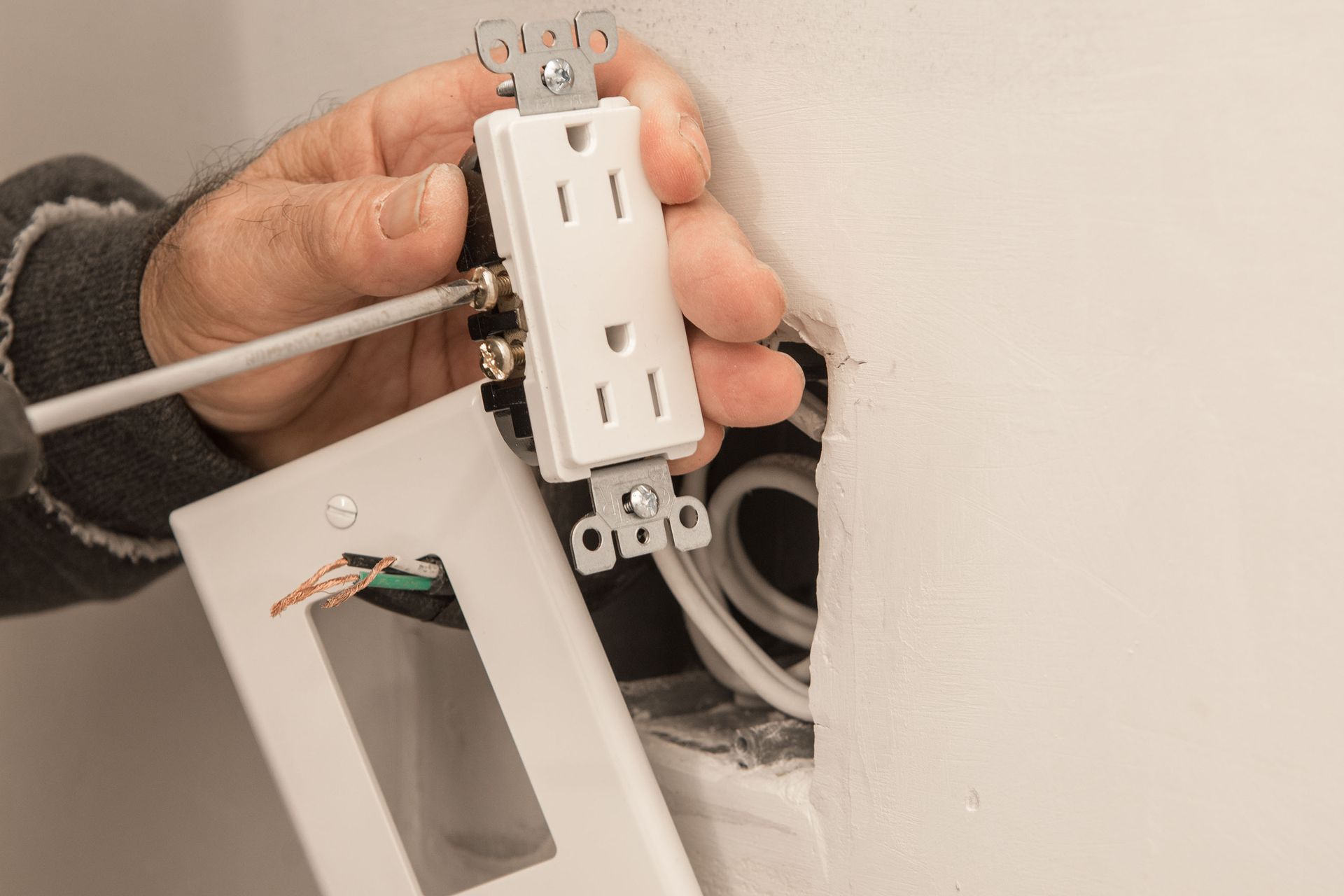
Household appliances play a central role in everyday electricity use. Energy-efficient refrigerators, dishwashers, washers, and dryers are engineered to deliver reliable performance with reduced power and water consumption. Smart appliances further enhance efficiency by adjusting operation based on real-time usage patterns. A local residential electrician can verify that outlets and circuits are properly rated for these appliances. This ensures both efficiency and long-term electrical safety.
8. Renewable Energy and Residential Power Generation
Renewable energy systems are becoming increasingly common in residential settings. Solar panels allow homeowners to generate electricity on-site, reducing dependence on traditional utility providers. Battery storage systems store excess power for later use, improving reliability during outages and peak demand periods. These technologies support long-term efficiency and energy independence. Careful planning ensures renewable systems integrate smoothly with existing electrical infrastructure.
9. Smart Homes and Energy Monitoring
Smart home technologies provide homeowners with greater control over energy consumption. Integrated platforms connect lighting, climate systems, and appliances into a unified network that responds to real-time conditions. Energy monitoring devices track usage patterns and highlight inefficiencies that might otherwise go unnoticed. A local residential electrician can ensure that these systems are properly connected and configured. Professional setup improves reliability and long-term performance.
10. Safety and Code Compliance
Energy efficiency upgrades must always prioritize safety and compliance with electrical codes. Outdated wiring, undersized panels, or overloaded circuits can limit the effectiveness of new technologies. Professional oversight ensures that upgrades operate safely and reliably. A local residential electrician brings the expertise needed to prevent hazards and ensure installations meet current standards. Safe systems protect both property and occupants.
11. Planning for Long-Term Energy Efficiency
Energy efficiency is most effective when approached as a long-term strategy rather than a single upgrade. Homeowners benefit from prioritizing improvements based on impact, budget, and future needs. Gradual upgrades allow systems to build upon one another over time. Partnering with a local residential electrician helps create a clear roadmap that aligns electrical capacity with evolving household demands. This approach supports steady progress toward lower energy use.
12. Electrical Panel Upgrades and Capacity Planning
As homes adopt more energy-efficient technologies, electrical panels must be capable of supporting increased system complexity. Older panels may not provide sufficient capacity for modern appliances, smart systems, or renewable energy integration. Upgrading an electrical panel allows power to be distributed more effectively while reducing the risk of overloads. Adequate capacity planning ensures that efficiency improvements operate smoothly without interruptions. This step is especially important for homes undergoing gradual efficiency upgrades over several years.
Modern panels also improve safety by incorporating advanced circuit protection features. These features help detect faults early and prevent potential electrical hazards. By planning ahead, homeowners can avoid repeated electrical modifications as new technologies are added. A properly sized and organized panel creates a stable foundation for future energy-efficient investments. This proactive approach supports both performance and peace of mind.
13. Behavioral Habits and Energy Awareness
Technology alone cannot achieve maximum energy efficiency without supportive household habits. Simple actions such as turning off unused devices, adjusting thermostat settings, and scheduling appliance use during off-peak hours contribute to meaningful savings. Energy awareness encourages homeowners to make informed decisions about daily electricity use. Over time, these habits reinforce the benefits of efficiency upgrades and improve overall results.
Education plays a key role in sustaining energy-efficient practices. When household members understand how systems work, they are more likely to use them effectively. Monitoring usage data helps identify trends and encourages accountability. Combining smart technology with mindful behavior creates a balanced approach to long-term efficiency. This combination ensures that energy-saving efforts remain effective well into the future.
Energy-efficient electrical solutions are reshaping how modern homes consume and manage power. Through improved lighting, efficient appliances, optimized heating and cooling, renewable energy, and smart automation, homeowners can significantly reduce energy consumption. These efforts provide financial savings, environmental benefits, and improved comfort. With thoughtful planning and professional guidance, energy efficiency becomes a practical and lasting investment in the future of residential living. Contact EH Electrical Contracting LLC today and get connected with our electrician services.